Welcome to ISWAG’s best practice guide for collaborative saltwater research in the Kimberley
Doing saltwater science in the Kimberley? Start here.
This site guides you through the Kimberley Saltwater Research process – a clear, agreed way of working with Traditional Owners on sea country science in the Kimberley. It helps you find the right people, ask the right questions, and build the kinds of partnerships that produce better research and better outcomes for Country.
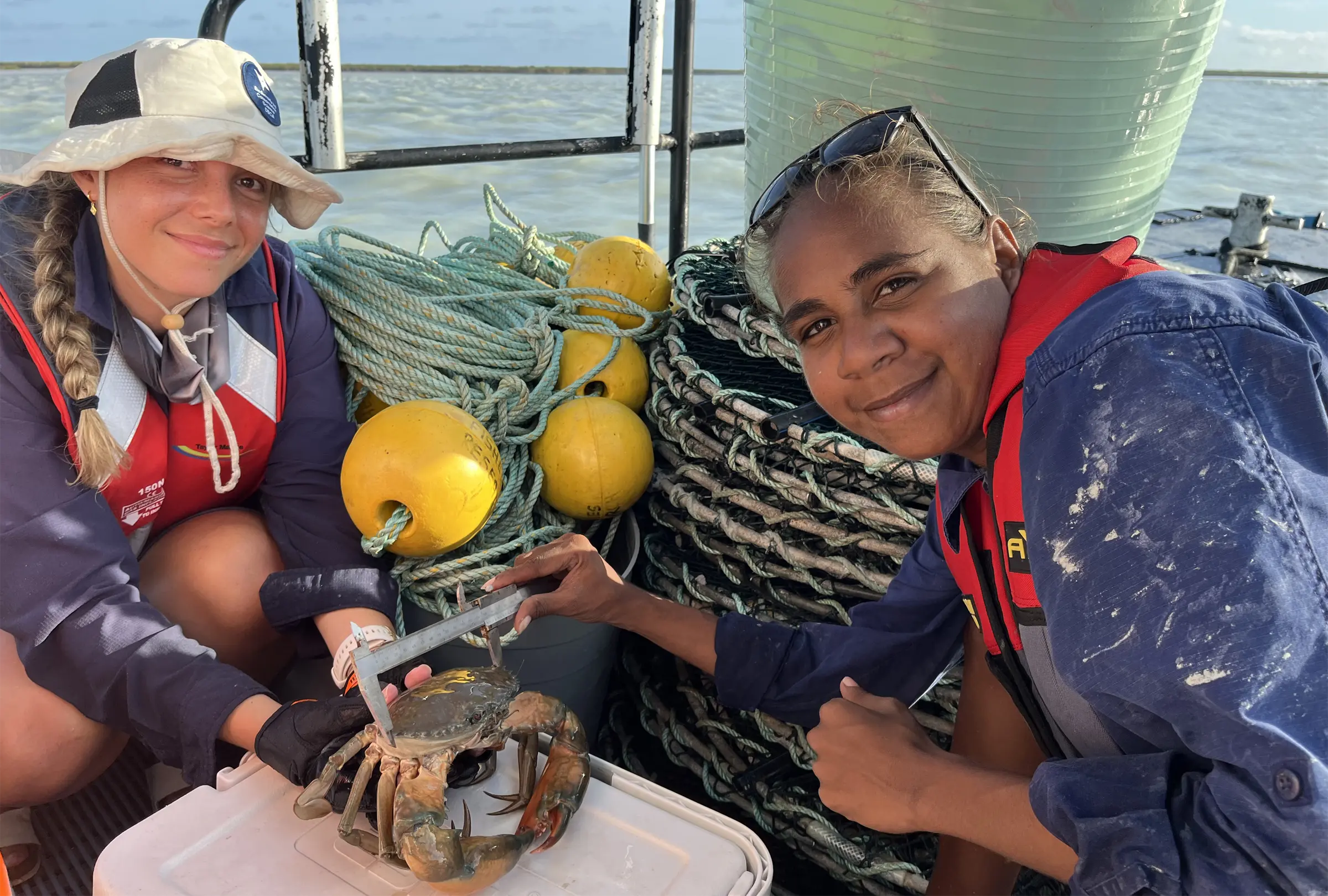
We are not only knowledge holders, but ongoing custodians and managers of Country with deep cultural, ecological, and governance responsibilities. Research needs to be guided not only by scientific priorities, but also by our cultural values, local knowledge, community concerns and on-ground management needs.
Dean Mathews,
ISWAG Co-Chair, 2026
What is this site for?
This site is the home of the Kimberley Saltwater Research Guide – ISWAG’s guide for researchers wanting to collaborate with Traditional Owners on sea country science in the Kimberley.
It sets out a clear, step-by-step process for how to approach Traditional Owner groups, co-design your project, and work collaboratively throughout.
It also hosts the Kimberley Saltwater Research Application Form – the formal way to submit a proposal to work on sea country in the Kimberley.
Who is this for?
This guide and application form is for anyone wanting to conduct saltwater research or monitoring in the Kimberley. It applies to projects that are in the Kimberley region, in marine or coastal areas, and that involve research, fieldwork, desktop work, management or monitoring.

University and research institution scientists
Including postgraduate researchers and those from interstate or overseas.

Government agencies and environmental managers
Including DBCA, AIMS, DPIRD, Australian Marine Parks and others.

NGOs, conservation organisations and independent researchers
Including those working on threatened species, climate, fisheries and more.
How it works at a glance

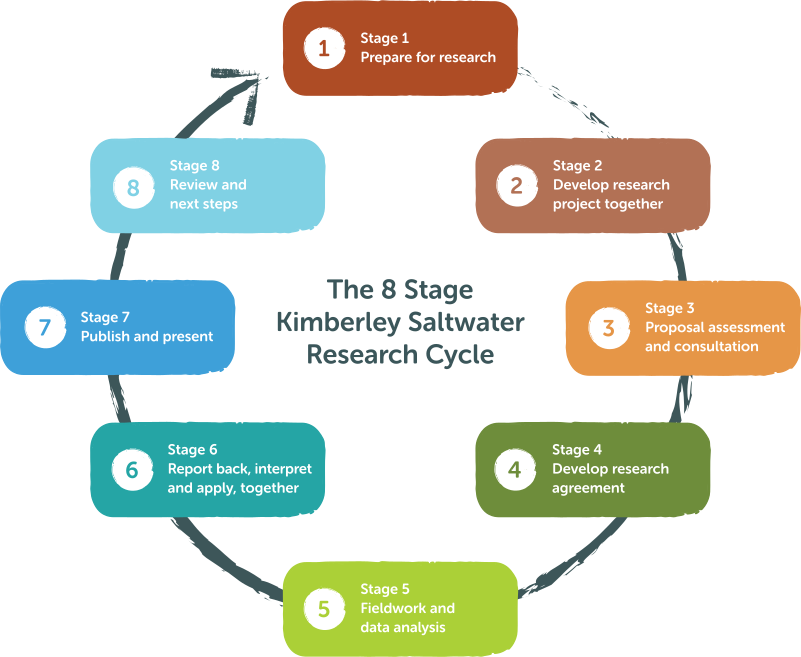
Stage 1: Prepare
Stage 2: Co-design & apply

Stage 3: Assessment

Stage 4: Research agreement

Stage 5: Fieldwork

Stage 6: Report back

Stage 7: Publish

Stage 8: Review
Why does this matter?
The Kimberley coast is one of the most biodiverse and intact marine environments on Earth. It is home to globally significant populations of dugong, green turtles and other threatened species. The Traditional Owners of this Sea Country have been its custodians for tens of thousands of years. Doing science here respectfully – with Traditional Owner leadership – produces better research and better outcomes for Country.